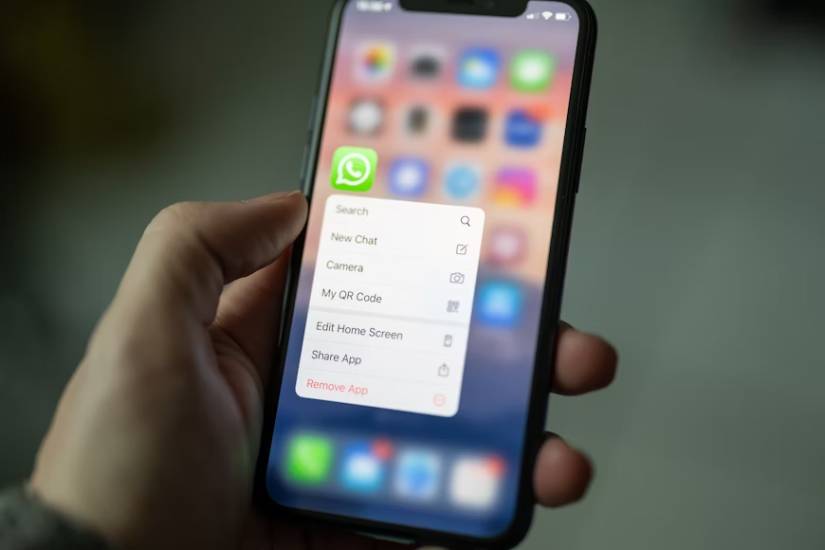
Customer support teams face a puzzling problem. Messages get sent, customers see them, but responses rarely come back. The issue isn’t message quality or timing. It’s the barrier created before conversations can even begin.
Traditional WhatsApp sharing requires customers to save numbers manually. This means copying the number to WhatsApp link, adding contacts, switching between apps, then finding the conversation thread. Each step increases the chance someone gives up entirely.
Business communication shouldn’t require customers to complete homework assignments. Yet that’s exactly what happens when phone numbers get shared instead of direct links.
The Abandonment Problem
Most people won’t save business numbers to their contacts. The process feels tedious and unnecessary, especially for one-time interactions or quick questions.
Consider typical customer behavior. Someone receives an order confirmation email with a WhatsApp number for support. The natural response is to screenshot the number, open WhatsApp, manually type it in, hope the number format is correct, then compose a message. Multiple friction points exist in this journey.
Meanwhile, competitors using direct WhatsApp links capture those same customers with single clicks. The difference in conversion rates can be substantial.
Phone numbers create mental resistance. Direct links eliminate thinking altogether.
How WhatsApp Links Work
WhatsApp provides a simple URL structure for instant conversations. The format uses wa.me/ followed by country code and phone number, with no spaces or special characters.
For example: wa.me/919876543210 opens a chat window immediately when clicked.
Messages can be pre-filled by adding text parameters: wa.me/919876543210?text=Hello, need help with my order
This opens WhatsApp with the message already typed. Customers just press send.
The technology exists within WhatsApp’s standard features. No third-party tools or complex integrations needed.
Why This Matters
Businesses switching from phone numbers to WhatsApp links typically see response rates improve significantly within weeks. The change requires minimal effort but produces measurable improvements.
Support conversations become more frequent when customers can reach out immediately. Phone call volume often decreases as chat interactions increase. Teams handle more inquiries through text rather than longer phone calls.
The pattern appears across different sectors. Remove friction, get more engagement.
Strategic Placement
Website contact pages often display phone numbers that visitors must manually copy. Replace these with clickable WhatsApp buttons or links.
Email signatures present another opportunity. Instead of listing WhatsApp numbers, create “Start Chat” links that open conversations instantly.
Social media profiles typically show contact information as text. Direct links work better than asking followers to copy numbers manually.
Customer service emails should include chat links. Order confirmations, shipping updates, and follow-up messages benefit from instant communication options.
Technical Setup
Creating WhatsApp links requires basic URL formatting. Start with wa.me/ then add the complete phone number including country code.
Remove all formatting from phone numbers. No spaces, parentheses, or dashes should appear in the link.
Country code examples:
- India: wa.me/91[ten digits]
- United States: wa.me/1[ten digits]
- United Kingdom: wa.me/44[remaining digits]
Different departments can use customised pre-filled messages. Sales links might include “Interested in your products” while support links could say “Need help with existing order.”
Multiple links serve different purposes without confusing customers about which number to contact.
Customer Psychology
Convenience drives most digital behaviours. When communication becomes effortless, engagement increases automatically.
Traditional contact methods create decision fatigue. Customers must choose whether the effort of saving numbers and switching apps justifies their need to communicate. Many decide it doesn’t.
Direct links bypass this internal debate entirely. Click and chat. The decision becomes binary rather than complex.
Businesses that reduce communication friction gain competitive advantages. Customers remember companies that make interactions simple and pleasant.
This represents a fundamental shift in customer service philosophy. Instead of making customers adapt to business systems, successful companies adapt their systems to customer preferences.
WhatsApp links align with natural digital behaviour patterns. People expect instant access to everything online. Communication should follow the same principle.
The companies gaining market share today prioritise customer convenience above internal processes. Direct messaging links exemplify this approach perfectly.
Featured Image Source: https://images.unsplash.com/photo-1610548822783-33fb5cb0e3a8
