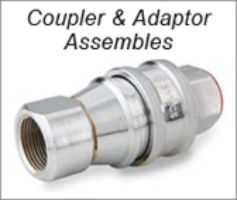
Selecting the wrong coupling system can lead to costly downtime, safety hazards, and operational inefficiencies that plague industrial facilities. The choice between different coupling technologies affects everything from maintenance schedules to worker safety protocols. Understanding the specific applications and limitations of each system helps engineers make informed decisions that protect both equipment and personnel.
Understanding Quick Release Systems
Rapid Disconnection Technology: Quick release coupling systems provide instant connection and disconnection capabilities for high-pressure applications. These mechanisms feature spring-loaded sleeves or lever-operated designs that allow operators to connect or disconnect lines without using any tools. The internal sealing mechanism prevents fluid loss during connection changes, making them ideal for hydraulic systems where pressure retention is critical.
Industry-Specific Applications: Camlock coupling systems offer a completely different approach to fluid connections through their cam-and-groove design. These couplings work best in gravity-fed applications and low-pressure liquid transfer systems. The visible connection mechanism provides operators with clear confirmation of proper engagement, making them popular in chemical processing and food-grade applications where connection security is paramount.
Camlock Coupling Applications
Gravity-Fed Systems Excellence: The cam-and-groove design creates secure connections for gravity-fed systems through arms that cam over grooves to lock the connection. This mechanism provides reliable sealing for low to moderate pressure applications and works particularly well with viscous liquids and materials that flow under gravity or low pump pressure.
Material Compatibility Focus: Chemical processing, food and beverage production, and fuel transfer operations depend heavily on camlock systems. The various materials available, including stainless steel, aluminium, and specialised polymers, allow for compatibility with different chemical compositions. Food-grade versions meet strict hygiene standards required in processing facilities.
Comparative Analysis and Selection Criteria
Pressure Rating Differences: Quick release systems handle significantly higher pressures, often exceeding 300 bar, making them suitable for hydraulic applications. Camlock couplings typically operate effectively up to 50 bar, which suits most liquid transfer requirements. The pressure differential determines which system works best for specific applications.
Connection Speed and Safety: Quick release mechanisms allow for faster connections under working pressure, reducing downtime during maintenance or equipment changes. Camlock systems require pressure relief before disconnection, adding safety steps but preventing accidental releases. Consider these factors when evaluating workflow requirements:
- Quick release: Instant connection/disconnection under pressure
- Camlock: Manual arm engagement with visible connection confirmation
- Quick release: Spring-loaded automatic sealing
- Camlock: Gasket-dependent sealing system
Material Compatibility Considerations: Chemical compatibility varies significantly between coupling types. Quick release systems often feature specialised seals for aggressive fluids, making them suitable for industrial chemicals and high-temperature applications. Camlock couplings offer broader material options, including food-grade certifications and chemical-resistant alloys for specific industrial requirements.
Quality Standards and Performance Reliability
Manufacturing Excellence: Premium coupling manufacturers maintain strict quality control processes that ensure consistent performance across different industrial environments. Testing protocols include pressure cycling, temperature resistance, and chemical compatibility verification. These standards help prevent premature failure and maintain operational safety.
Certification Requirements: Both coupling types require compliance with industry-specific standards such as ISO, ANSI, and sector-specific regulations. Food-grade applications demand FDA-approved materials, chemical processing requires ATEX compliance, and hydraulic systems need pressure vessel certifications. Proper certification ensures legal compliance and operational safety.
The decision between quick release and camlock coupling systems depends on specific operational requirements, pressure demands, and application environments. Quick release couplings excel in high-pressure hydraulic and pneumatic applications where rapid connection changes are necessary. Camlock systems provide reliable performance for liquid transfer operations requiring secure, visible connections.
Contact industrial coupling specialists today to evaluate your specific application requirements and ensure optimal system performance for your facility’s unique operational demands.
Featured Image Source: https://www.jreltd.com/images/quick-coupling/3.jpg
