Picture this: you wake up on a Saturday morning, ready to enjoy your beautiful pond, only to find it covered in a thick green blanket of algae. The smell hits you first. Then the reality sinks in. Your pristine water feature has turned into something that looks more like a swamp.
This nightmare scenario plays out for thousands of pond owners every year. The good news? Kasco fountains offer a proven solution to break this cycle before it starts.
Why Algae Takes Over Your Pond
Algae grows when conditions are just right. Warm water, plenty of nutrients, and stagnant conditions create the perfect storm.Scott fountains can disrupt these conditions, but first you need to understand what you’re fighting against.
Your pond becomes a breeding ground. Sunlight penetrates the surface. Nutrients from decomposing leaves, fish waste, and runoff feed the problem. Without proper water movement, algae spreads unchecked.
The result? A pond that embarrasses you in front of neighbors. Water that smells terrible. Fish that struggle to survive in oxygen-depleted conditions.
Perhaps worse – the money you’ve invested in your property starts to feel wasted.
How Water Movement Changes Everything
Moving water disrupts algae growth patterns. When water circulates, it prevents the stagnant conditions algae loves.
Both Kasco fountains and Scott fountains create this movement. They push water up from deeper levels and spray it across the surface. This action serves multiple purposes.
First, it adds oxygen to the water. Algae struggles in well-oxygenated environments. Second, it prevents thermal layering that traps nutrients near the surface. Third, it creates an environment where beneficial bacteria can outcompete harmful algae.
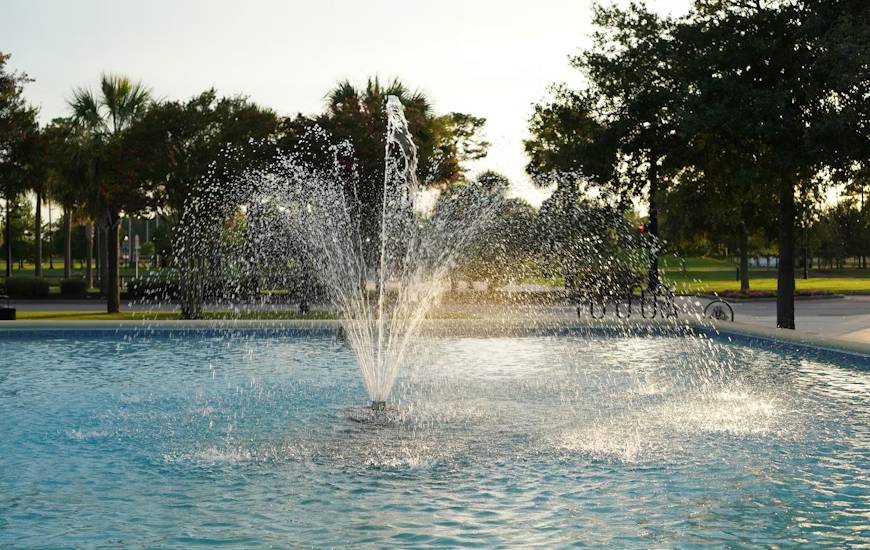
The visual impact hits you immediately. Instead of green scum, you see clear water dancing in the sunlight.
Surface Disruption Techniques
The spray pattern matters more than most people realize. Kasco fountains typically create wider, more dispersed patterns. Scott fountains often produce taller, more concentrated displays.
Both approaches work, though perhaps for different reasons.
Wider patterns cover more surface area. This means more water gets exposed to air and sunlight in the right way. The constant movement prevents algae from establishing colonies on the surface.
Taller fountains create more dramatic water circulation. They pull water from greater depths and create stronger currents. This can be particularly effective in deeper ponds where stratification becomes a problem.
Your pond size and depth will determine which approach works better. Smaller ponds might benefit from wider coverage. Larger, deeper ponds often need the stronger circulation of taller fountains.
Oxygenation and Algae Competition
Here’s where things get interesting. Algae and oxygen have an odd relationship.
During the day, algae actually produces oxygen through photosynthesis. But at night, it consumes oxygen like crazy. This creates dangerous swings in oxygen levels that stress fish and create water quality problems.
Fountain systems break this cycle. They provide consistent oxygenation around the clock. The constant water movement means oxygen levels stay more stable.
This stability gives beneficial bacteria and other organisms a chance to establish themselves. They outcompete algae for nutrients. Over time, your pond develops a more balanced ecosystem.
The change doesn’t happen overnight. You might see improvements in water clarity within a few weeks. Full ecosystem balance can take several months to establish.
Nutrient Circulation Strategies
Stagnant water allows nutrients to concentrate in certain areas. This creates algae hotspots that can quickly spread throughout your pond.
Fountain systems disrupt these nutrient pockets. They mix the water column and distribute nutrients more evenly. This prevents the localized high-nutrient conditions that trigger algae blooms.
Both Kasco fountains and Scott fountains excel at this mixing action. The key is proper placement and sizing for your specific pond.
Corner installations often work well because they create circulation patterns that reach the entire pond. Center placement can be effective in round or square ponds.
You’ll need to observe your pond’s response and possibly adjust placement for optimal results.
Seasonal Considerations
Spring brings the biggest algae challenges. Warming water and increased sunlight create ideal growing conditions. This is when your fountain system earns its keep.
Running your fountain consistently during spring months prevents early algae establishment. Once algae gets a foothold, it becomes much harder to control.
Summer operation focuses on maintaining oxygen levels during hot weather. Higher water temperatures hold less dissolved oxygen naturally. Your fountain compensates for this natural deficit.
Fall operation helps process decaying organic matter before it becomes next year’s algae food. Winter operation varies by climate, but even limited runtime can prevent problems.
Realistic Expectations and Results
Your pond won’t transform into crystal-clear perfection overnight. Existing algae takes time to die off and decompose. You might even see temporary increases in organic matter as dead algae settles.
Most pond owners notice significant improvements within 4-6 weeks of consistent fountain operation. Water clarity improves first. Odor reduction follows. Fish activity often increases as oxygen levels stabilize.
The long-term benefits extend beyond algae control. Your pond becomes a feature you’re proud to show off again. Property values can benefit from well-maintained water features.
Regular maintenance keeps your fountain system working effectively. Clean intake screens prevent clogging. Seasonal inspections catch problems early.
Your investment in fountain technology pays dividends in reduced algae problems, improved water quality, and restored peace of mind every time you look at your pond.
Featured Image Source: https://images.unsplash.com/photo-1673704324256-2947253d77fe
