Investing in used warehouse racking systems offers significant cost advantages while maintaining the needed functionality. Learn practical tips for inspecting, purchasing, and implementing pre-owned racking to maximize your operational budget without compromising safety.
When warehouse space comes at a premium, the right racking system makes all the difference. Many businesses face the challenge of expanding storage capacity while working with a limited budget. This financial reality has created a thriving market for second-hand warehouse equipment that delivers substantial value. Used racking systems typically cost 40–60% less than new equivalents—a compelling option for businesses watching their bottom line.
The market for used pallet racks for sale has expanded considerably in recent years. Quality second-hand pallet racking is often the result of warehouse consolidations, business closures, or companies upgrading their storage systems. These circumstances provide opportunities to acquire well-maintained equipment at a fraction of the original price. The key is knowing where to look and what to inspect before making your purchase decision.
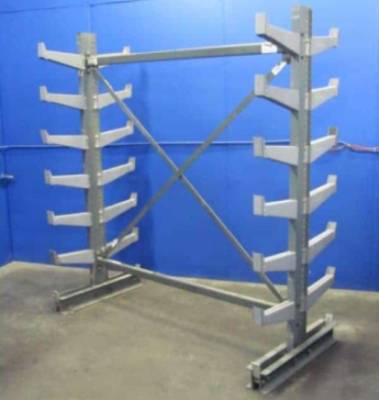
Used cantilever racks represent a cost-effective storage solution for businesses handling longer, bulkier items like lumber, pipes, or furniture. These specialized systems maintain their structural integrity for many years when properly maintained, making them excellent candidates for the second-hand market.
Benefits of Buying Used Warehouse Racking
The most obvious advantage is cost savings. Your warehouse budget stretches significantly further when you purchase pre-owned systems. This financial flexibility allows companies to invest in other operational improvements or expand storage capacity beyond what would be possible with new equipment purchases.
Second-hand racking often delivers faster implementation timelines. New racking systems frequently come with 8–12 week lead times, while used equipment is typically available immediately. For operations needing quick solutions to storage challenges, this time advantage proves invaluable formaintaining business continuity.
Environmental benefits also deserve consideration. Reusing existing steel racking avoids manufacturing emissions and reduces landfill waste. For companies with sustainability goals, incorporating pre-owned equipment supports circular economy principles while still meeting operational requirements.
How to Evaluate Used Racking Systems
Thorough inspection is the most critical step in the pre-owned racking purchase process. Check for structural damage, including bent frames, compromised welds, or excessive rust that might impact load capacity or safety. Small cosmetic issues like scratches or minor dents typically don’t affect performance.
Documentation matters tremendously when buying second-hand systems. Request load capacity specifications, original manufacturer information, and any maintenance records available. These details help verify the system’s capabilities and history before finalizing your purchase.
Compatibility with your existing equipment and warehouse layout requires careful consideration. Mixing different racking brands or models sometimes creates challenges with beam levels, safety components, or installation. Measure your space precisely and confirm the used system’s dimensions will integrate smoothly with your operation.
Installation Considerations for Pre-Owned Racking
Professional installation often provides the safest approach when implementing used racking systems. Experienced installers recognize potential issues and ensure proper assembly according to manufacturer specifications. The modest additional cost typically delivers significant safety benefits.
Safety inspections following installation should be mandatory. Have qualified personnel verify load capacities, proper anchoring, and structural integrity before loading merchandise onto the system. This verification process prevents potential accidents or property damage resulting from improper setup.
Consider having engineering drawings prepared, especially for larger installations. These documents help ensure your racking configuration meets local building codes and provides optimal traffic flow. Even with used systems, proper planning delivers long-term operational benefits that justify the investment.
Maintenance Requirements for Second-Hand Systems
Regular inspection schedules become particularly important with pre-owned racking. Establish weekly visual checks and more thorough quarterly evaluations to identify developing issues before they create safety hazards. Document these inspections to maintain safety compliance records.
Budget for potential replacement parts, which might be needed sooner with used systems. Keeping common components like beam safety clips, row spacers, or frame protectors in inventory allows for immediate repairs when needed, minimizing operational disruptions.
Train warehouse staff thoroughly on weight limitations and proper loading techniques. Personnel should understand the specific requirements of your racking system and recognize signs of potential problems. This knowledge prevents accidental overloading that could compromise structural integrity.
Where to Find Quality Used Racking
Specialized equipment dealers offer the most reliable source for pre-owned warehouse racking. Reputable dealers typically inspect, sort, and sometimes refurbish their inventory before selling it. Many provide installation services and stand behind their products with limited warranties or return policies.
Online marketplaces connect buyers directly with businesses selling their used equipment. While potentially offering lower prices, these transactions usually provide fewer guarantees regarding condition or support. Always inspect equipment thoroughly before purchasing through these channels.
Auction events from warehouse closures or liquidations sometimes yield exceptional deals. However, these situations usually require immediate removal and provide minimal post-purchase support. Factor transportation and installation costs into your budget when considering auction purchases.
Making Your Final Decision
Calculate total ownership cost beyond the purchase price. Include transportation, installation, potential modifications, and anticipated maintenance expenses. This comprehensive approach provides a more accurate comparison between different used racking options.
Verify a seller’s reputation through references, reviews, or industry connections. Established dealers build their business on repeat customers and referrals, providing incentive for fair dealings. This background research helps avoid problematic transactions with less reputable sellers.
Investing in used warehouse racking offers a practical solution for businesses needing to maximize their operational budget without compromising on quality or safety. By carefully evaluating conditions, ensuring proper installation, and implementing regular maintenance, companies can enjoy the substantial cost savings of pre-owned systems while maintaining efficient warehouse operations. Ready to transform your storage capabilities? Start researching reputable used equipment dealers today and discover how quality second-hand racking can help your business grow without breaking the bank.
Featured Image Source: https://conesco.com/wp-content/uploads/2019/12/cantileverrack10.jpg
