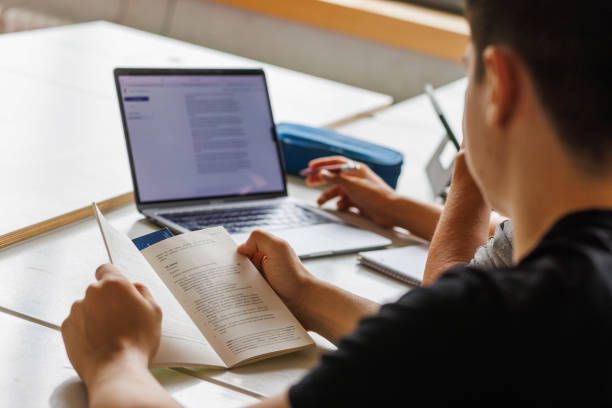
Young people today need educational options that work around their unique circumstances and personal goals. Traditional classroom settings don’t always suit every learner, particularly those balancing training schedules, family commitments, or seeking a more supportive environment. Distance education offers an alternative path where students can achieve strong academic results on their own terms.
Building Self-Reliance Through Structured Freedom: The transition to GCSE home study requires students to take ownership of their learning journey in ways they might not experience in conventional schools. This approach teaches young people to manage their time, prioritise tasks, and develop organisational habits that serve them throughout life. They learn to recognise when they need help and how to seek it effectively from teachers and mentors.
Developing Core Learning Habits: Home learning GCSE programmes create an environment where students must actively engage with their education rather than passively attending lessons. They develop the ability to set realistic goals, track their progress, and adjust their study methods when something isn’t working. These skills become second nature, preparing them for A Level studies and university where independent learning becomes even more critical.
Developing Independent Learning Skills
- Taking Control of Daily Schedules: Students working through distance programmes learn to create study routines that match their natural rhythms and energy levels. Some discover they focus better in the morning, others find evening study sessions more productive. This self-awareness helps them understand their learning preferences and develop habits that maximise their potential without the rigid structure of traditional school timetables.
- Building Problem-Solving Capabilities: When questions arise during independent study, students develop resourcefulness in finding answers. They learn to use textbooks effectively, research online materials, and formulate clear questions for their teachers. This process builds critical thinking skills and confidence in their ability to tackle challenging concepts without immediate hand-holding from adults.
- Cultivating Digital Literacy: Online learning naturally develops technological competence that proves valuable in further education and future careers. Students become comfortable with various digital platforms, learn to communicate professionally through written messages, and understand how to participate effectively in virtual discussions. These capabilities matter in a world where remote work and digital collaboration are increasingly common.
Tailored Support and Interactive Learning
- Live Teaching That Responds to Individual Needs: Quality online education isn’t about watching pre-recorded videos in isolation. Live lessons with qualified teachers provide real-time interaction where students can ask questions, participate in discussions, and receive immediate feedback. Small class sizes mean teachers notice when someone struggles and can adjust their explanations accordingly.
- Structured Lessons With Clear Progression: Well-designed programmes follow recognised curricula with defined learning objectives for each session. Students know what they’re working towards and can see their progress through regular assessments. This structure provides accountability without the pressure of large classroom environments where some learners feel uncomfortable speaking up or asking for clarification.
- Regular Check-Ins and Academic Mentoring: Support systems in online education often include:
- Scheduled one-to-one sessions with teachers to discuss progress and address concerns.
- Academic mentors who help students plan their study schedules and stay on track with coursework.
- Pastoral support for wellbeing and personal development alongside academic achievement.
- Parent communication channels that keep families informed without overwhelming daily involvement.
Balancing Flexibility with Accountability
- Freedom Within Framework: Distance learning offers flexibility in when and where students complete their work, but this freedom comes with clear expectations. Assignments have deadlines, lessons have scheduled times, and examinations require preparation. Students learn to balance personal interests with academic responsibilities, developing time management skills that prove invaluable later in life.
- Self-Discipline and Motivation: Young people discover their capacity for self-motivation when they’re given appropriate levels of responsibility. Some students thrive when they can take breaks to pursue athletic training or creative projects, then return to studies with renewed focus. This flexibility often reduces the stress and burnout associated with rigid school schedules that don’t accommodate individual needs or circumstances.
- Tracking Progress and Setting Goals: Online platforms typically provide clear visibility into grades, completed assignments, and upcoming deadlines. Students learn to monitor their own performance, identify areas needing extra attention, and celebrate their achievements. This transparency helps them develop realistic expectations and understand the connection between effort and results.
Distance education provides more than academic qualifications. Students develop confidence in their abilities, learn to work independently, and acquire organisational skills that prepare them for future challenges. The combination of structured support and personal responsibility creates capable learners who understand their strengths and know how to seek help when needed. If you’re considering alternative education options, explore how flexible online programmes might support your child’s academic success and personal development.
Featured Image Source: https://media.gettyimages.com/id/1572232397/photo/production-26-july-2023-baden-w%C3%BCrttemberg-karlsruhe-students-at-a-high-school-sit-in-front-of.jpg?s=612×612&w=0&k=20&c=us4hnR1dJS2NlgnqMeo7H6j7i-RX2LYdPZAhU8BgKRU=
